Impact Automation designed and built this advanced assembly system for a life sciences manufacturer to replace an aging, air-intensive machine with a quieter, more efficient automated solution. By integrating robotics, electric actuators, and a custom frame loading system in place of a large feeder bowl, the new system reduces noise, lowers air consumption, shortens cycle time, automates previously manual bag loading, decreases operator oversight, all fitting within the original machine footprint, and improving throughput by nearly 30%!
Packing and Palletizing
Impact Automation has created a robotic solution to alleviate the bottle neck on a production line. Our solution handles box erecting, case packing, taping, labeling and palletizing. Impact Automation engineers leveraged the expertise and resources of our numerous suppliers to create a solution that combines robotics with hard automation to improve efficiency and maximize uptime.
Frame Loading System
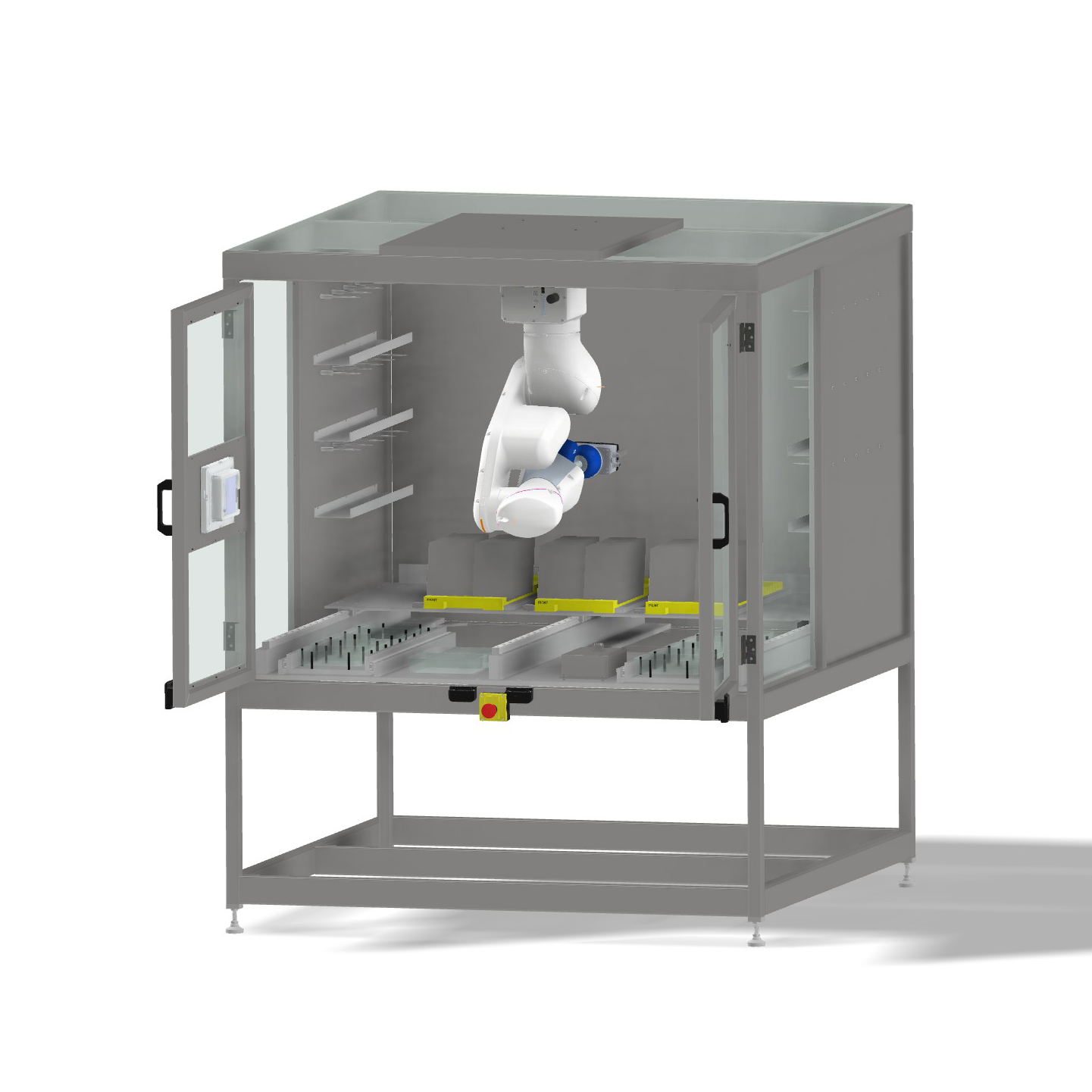
A leading life sciences manufacturer partnered with Impact Automation to modernize an assembly process that relied on large, noisy, and outdated feeder bowls. To improve productivity and create a better working environment, Impact Automation engineered a custom parts feeding solution that uses operator-loaded magazines to efficiently present components to a robot. The robot accurately places each part onto a pallet, where it advances through the assembly process. By replacing traditional feeder bowl technology with an innovative automated system, the solution not only reduced noise levels and improved workplace conditions but also increased throughput and delivered a faster, more efficient assembly operation.
Bagging and Boxing System
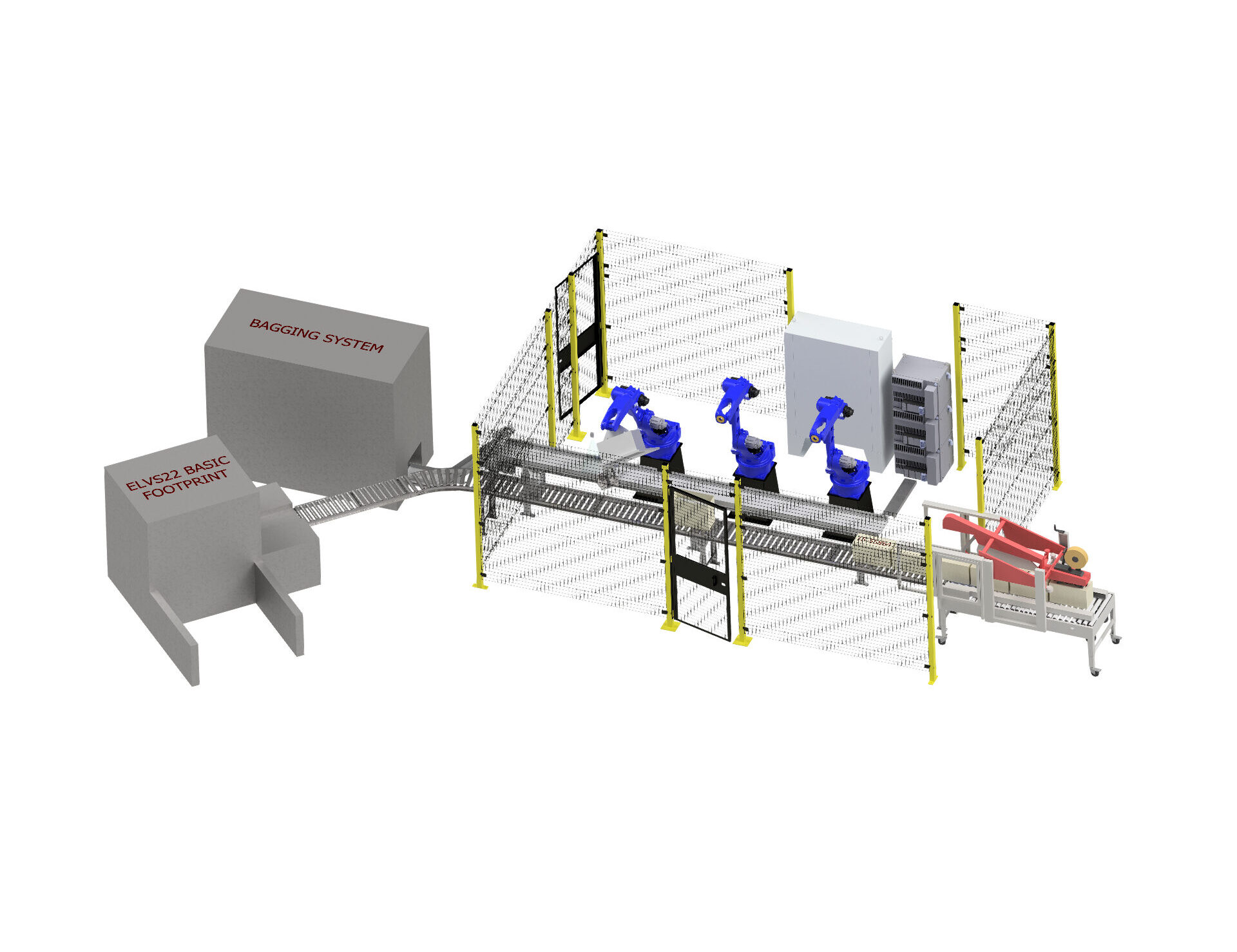
To improve productivity, reduce downtime, and modernize a bagging process that had remainedlargely unchanged for more than 20 years, a leading manufacturer partnered with Impact Automation to implement its first robotic bagging and boxing system at one of their Missouri facilities. The new automated cell features Yaskawa GP25 robots equipped with conveyor tracking technology, Cognex vision systems, and Yaskawa Motosight software to accurately pick individual bags and load them into cases. Bags are automatically conveyed from the bagger to the robots, while cases are erected on demand and filled through an efficient hopper-based system that accumulates and inserts a complete case count at once. Finished cases are then sealed and prepared for shipment. Designed with integrated safety fencing, interlocked access doors, and a permit-to-enter system, the solution delivers greater speed, reliability, and operational efficiency while reducing maintenance-related disruptions and laying the foundation for future automation improvements throughout the facility.
Machine Tending
An Epson C4 Six Axis robot was interfaced to an older Mazak lathe for machine tending. Cast parts are fed via a multi-lane conveyor then loaded into the lathe for secondary operations. Impact Automation can supply machine tending solutions for machines new and old. Labor shortages? Too much labor overhead? Robotic machine tending may be a solution.
Slide Dipping
Utilizing Epson’s compact, high speed 6 axis industrial robot, our engineers created a solution for the quality control department of a leading lubricants manufacturer. What was once a tedious, hands-on operation, is now a fully automated, reliable operation. The robot dips samples of product in various chemicals and hangs them to dry, leaving the operator free to focus on results and data collection, assuring rigid adherence to company standards.
Steel Basket Welding System
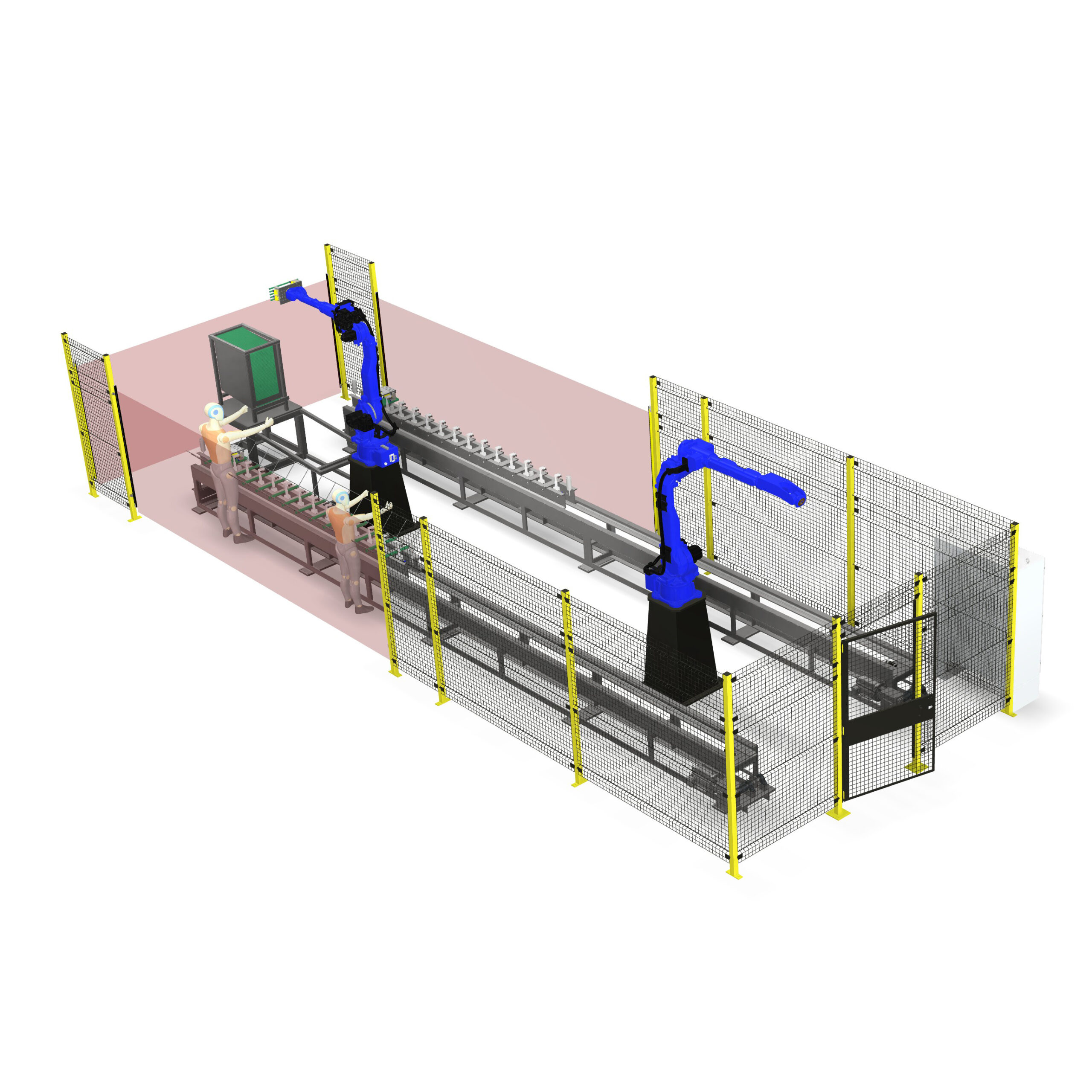
Our customer needed a more efficient method for assembling and welding their steel rebar baskets. The process is repetitive and labor intensive. That makes it a perfect project for robotic automation. Impact Automation designed a robotic weld cell to robotically load the fixtures and spot weld the assembly. With our design expertise, we were able to increase throughput while also improving quality and consistency.
Educational Lab Assembly Cell in Purdue University
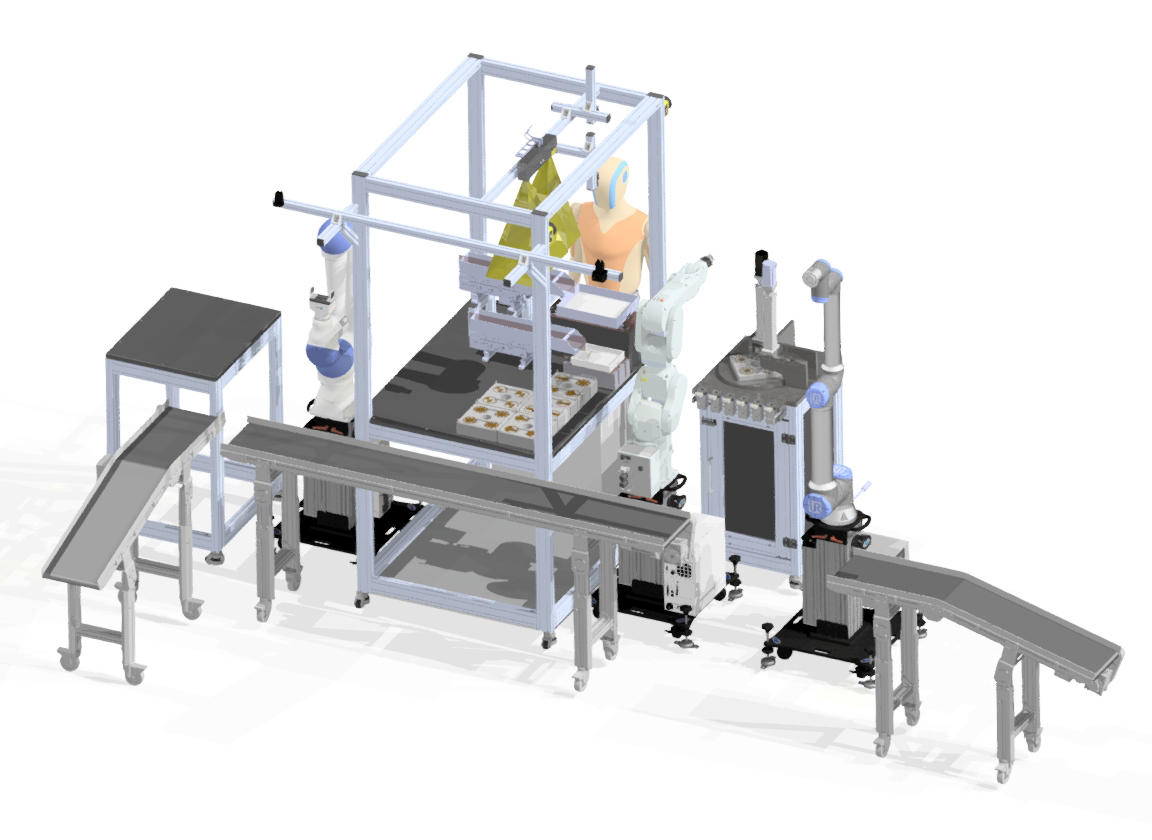
Impact Automation was asked to design an Assembly Cell in an Educational Lab for a top tier engineering university. The goal of the project was to expose the students to as many different technologies from as many different component manufacturers as possible. Because of the vast array of manufactures we have partnered with; we were able to design a cell that utilizes three brands of robots using a wide array of end of arm tooling. Additional hardware includes actuators, PLCs and HMIs from various manufacturers. We can design and build with components to meet almost any manufacturer preference.
This system is a vertically operated press fixture to support and test aircraft landing gear mechanisms. It includes a linear transducer measurement for stroke and a compression load cell to monitor forces applied. The press is operated from an integral hydraulic power unit which is controlled via an HMI screen located on the integral control panel. The system uses Wonderware operating software to control and capture cycle data.